
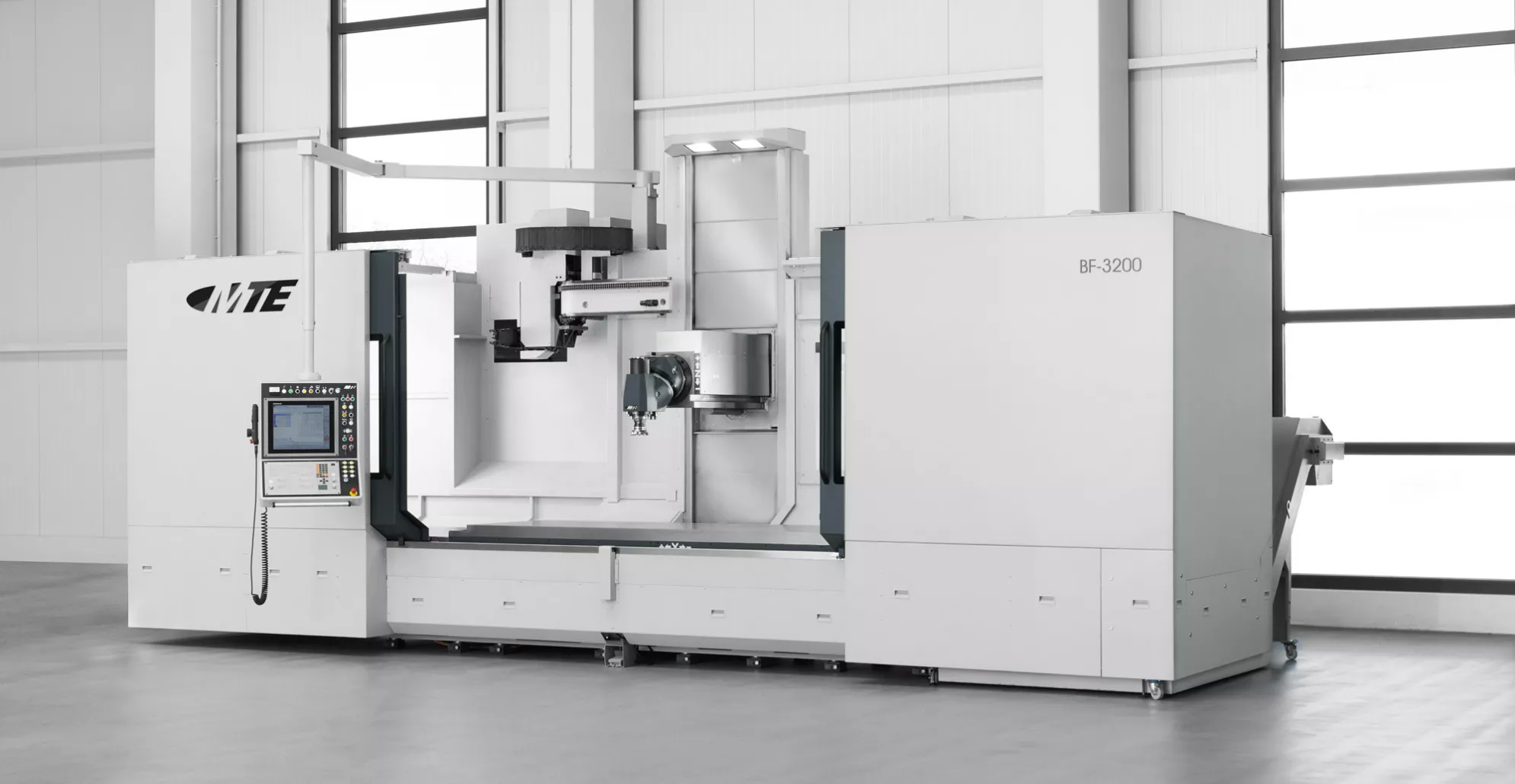
Whether wear-resistant materials for the construction machinery sector or alloyed and tempered tool steels for tool and mould making: wherever extremely hard materials are machined, this means hard work for the machines and is a mammoth task even for professionals. Machines suitable for heavy-duty machining make things easier.
MTE machines have this heavy-duty cutting capability. Click here to go directly to our products: Product overview
In the armaments industry, in tool, mold and rail construction, in cast iron machining and in wind power: Basically, wherever workpieces are highly alloyed and have a large allowance – i.e. where a lot of material is removed – this is referred to as heavy machining in the industry. Machines suitable for heavy-duty machining are required for these heavy-duty machining tasks.
What exactly is heavy machining in milling?
First of all, there is no universally valid and clear definition of heavy-duty cutting. Heavy-duty cutting, also known as HPC (high-performance cutting), is when a work process is associated with feed rates that are as high as productivity. However, heavy-duty cutting also refers to the machining of large components and geometries, such as industrial gearboxes, shafts and drives for commercial vehicles, construction machinery or parts in ship and railroad construction as well as in agriculture and mining. Another focus is the energy sector. Whether in wind power, gas power plants or hydrogen technology, large, heavy, tough and hard components are machined everywhere.
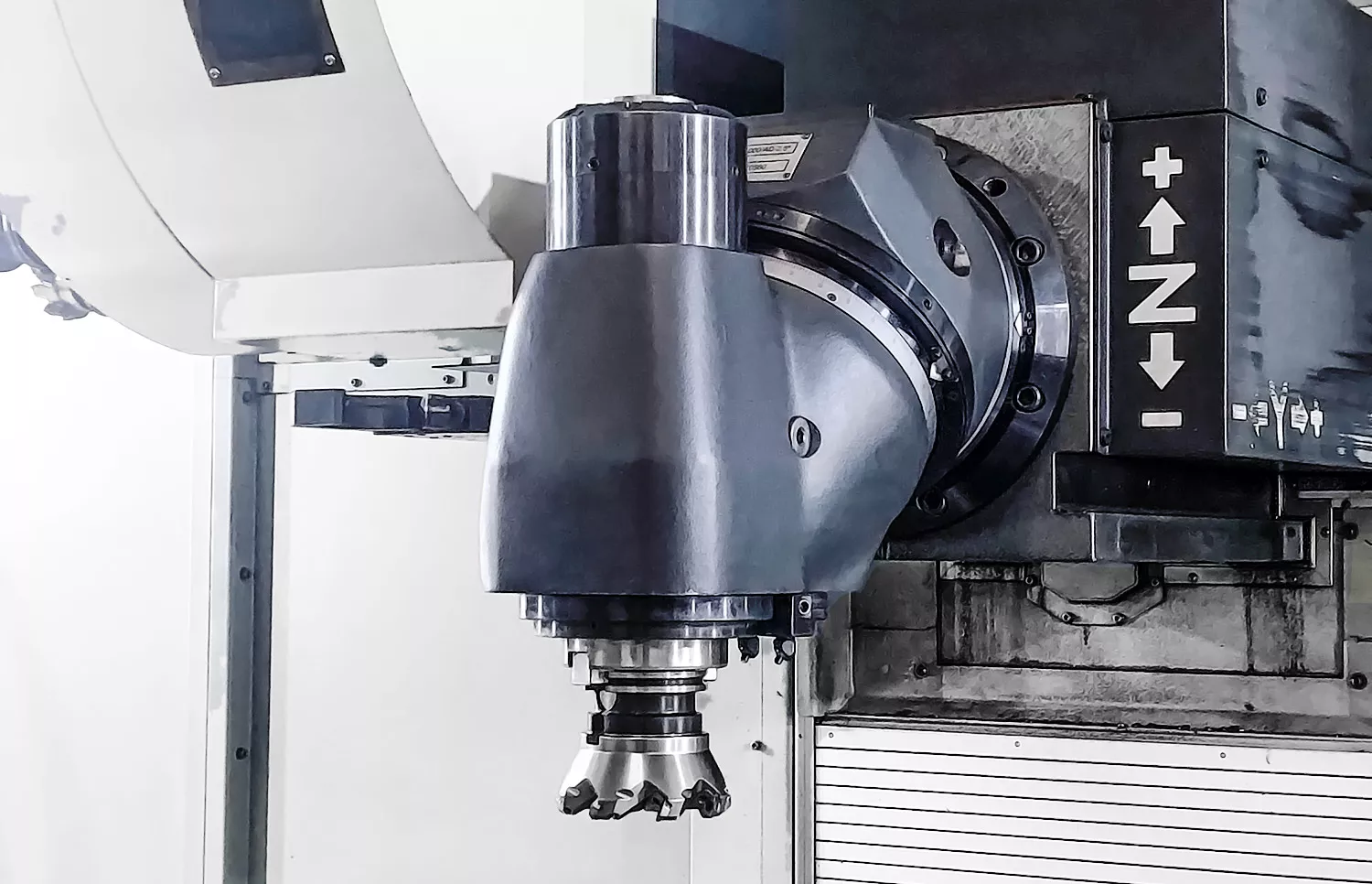
Demanding requirements for extremely hard materials
When machining hardened steels, for example nickel-based and titanium alloys, as well as other difficult-to-cut materials, the tools used must meet high requirements. This is because when milling difficult-to-cut materials, the aim is often to produce an above-average chip volume. In other words, the machines used must be able to withstand much greater process forces than in the area of average structural steel parts.
Two work steps, one result
Heavy machining is usually carried out in two steps. The first step is “roughing”. In milling, roughing is a rough pre-machining of the workpiece for subsequent fine machining. The aim is to remove as much material as possible in as short a time as possible. This step does not yet produce an exact finished dimension, but only a rough surface. A small allowance remains on the component. In the final work step, the so-called “finishing” is carried out. A small cutting depth is used to produce the finished size. In addition, a better, finer surface is achieved in this process.
What are the advantages of heavy-duty cutting machines?
Heavy-duty machining requires both high stability and dynamics on the machine side, which can only be achieved with a stable basic machine structure, preferably made of cast iron and with powerful drives. The two processes, “roughing” and “finishing”, can then be carried out by a single machine. This saves additional work steps. Most machines are being built lighter and lighter for economic reasons, less cast iron is used or they are even made solely from a welded steel construction. Their disadvantage is that they are lighter and therefore more unstable. This means that more vibrations occur during use. As a result, the service life of the machines is shortened or simply makes various processes in this complex heavy-duty machining impossible. The higher the vibrations during machining, the greater the wear, both on the machine and on the tool. The exact service life is difficult to quantify, as it depends very much on the individual care, maintenance and operation of the machine.
A trio of guarantors of success
However, one thing is clear: in addition to high stability, the heavy-duty machining process also requires high damping properties and a high drive power. The more stable a machine is, the less vibrations occur during milling. As a result, the service life of tools is significantly longer. The second guarantee for success is accuracy. Just as important as the stability and accuracy of the machine is its dynamics. Highly accurate finishing surfaces can only be achieved with a dynamic machine.
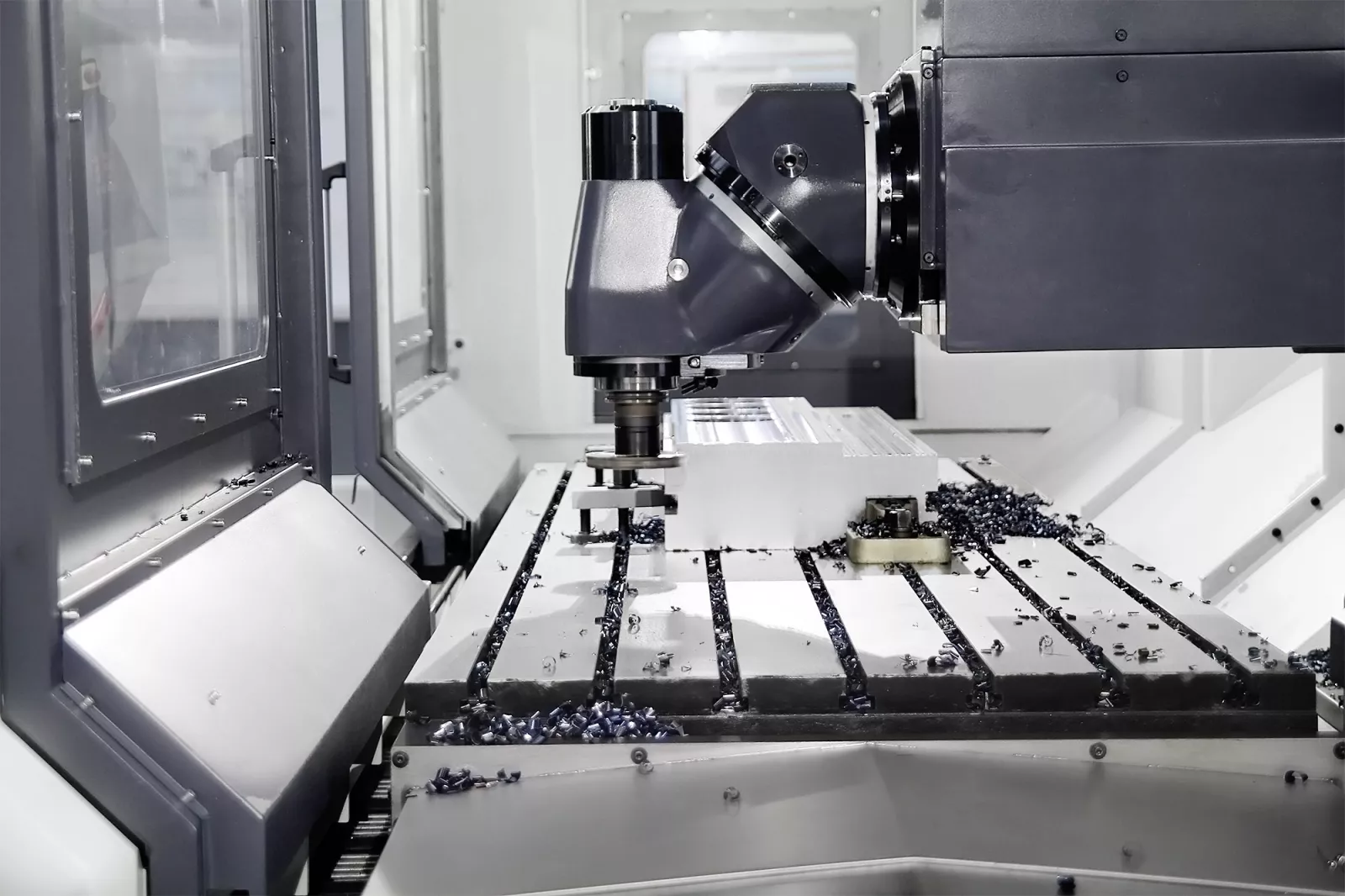
Excursus: MTE has the solution
As the manufacturer MTE, we have risen to the challenge. Whether for a Bed type milling machine, traveling column milling machine or Fixed table travelling column milling machine. All guideways are extremely large and are “scraped in” by hand on Flat guided machines. In the case of linear-guided machines, all reference surfaces of the guideways are ground to generate a higher contact pattern. In addition, our assemblies such as the machine table, tower and saddle are made of cast iron. The service life of a stable machine is therefore much longer than that of an unstable machine and therefore also more sustainable.
A reliable partner
Stability, precision, dynamics: The heavy-duty machines from MTE make heavy work easier. Just like our employees, who will advise and support you in all matters relating to your MTE. As often and for as long as you need us!
Would you like to find out more about MTE machines? Then continue reading on our machine overview Would you like to get to know the people at MTE better and benefit from their expertise? Then make an appointment for a consultation.